

An Ancient Faith
“Anglicanism is the life of the Catholic Church that was planted in England in the first few centuries after Christ; reshaped decisively by the English Reformation that reformed the received Catholic Traditions and also renewed by the Evangelical and Catholic Revivals and other historical movements of the Spirit; and that has now been inculturated into independent, global churches."
– Rev. Dr. Charles Erlandson
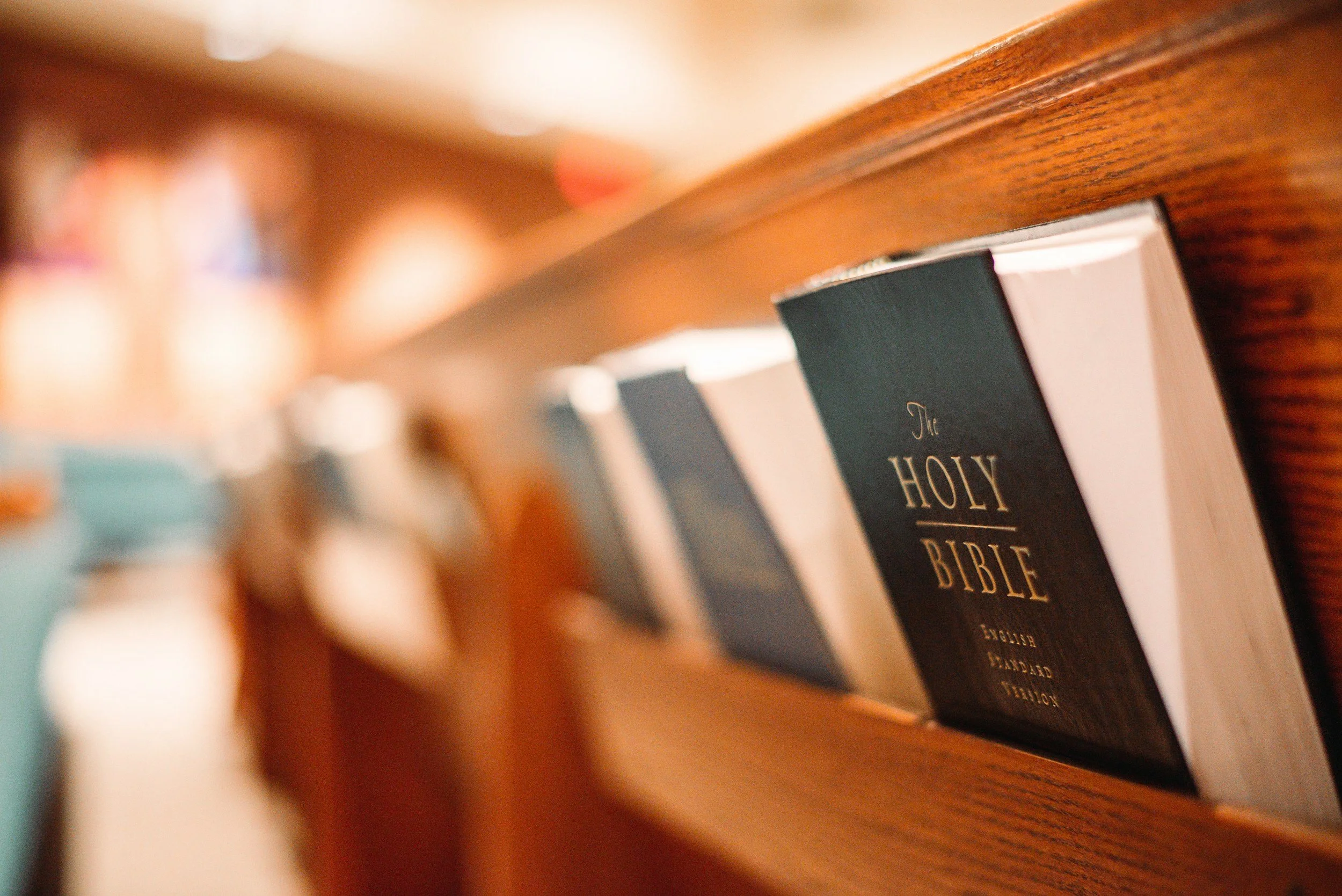
Anglicans trace their roots back to the first arrival of the Christian faith on the shores of the British Isles. Early Christian writers mention the existence of a British church in the third century AD. In the sixteenth century, English Reformers, led by Thomas Cranmer, joined the Protestant Reformation happening all over Europe, rediscovering the beauty of salvation as a gift from God and working to put the Scriptures into the hands and daily lives of God’s people.
Through this tradition, the riches of the Christian faith have blessed people all over the world and continue to be passed on in every generation in independent nations.
With over 500 years of rich history and spirituality, Anglicans still stand for Christian orthodoxy by affirming the historic creeds and maintaining continuity with the sacramental beliefs and worship practices of the earliest Christians.
Anglican Core Beliefs
There are five core commitments that unite faithful Anglicans around the world. They are:
The Holy Scriptures of the Old and New Testaments as “containing all things necessary to salvation,” and as being the rule and ultimate standard of our common faith.
The Apostles’ and Nicene Creeds as sufficient statements of the Christian faith.
The two sacraments ordained by Christ himself - Baptism and Holy Communion. Sacraments are “the outward sign (water, bread) of an inward grace (the presence of Jesus).”
The Anglican Formularies guide our belief, practices and governance. They are the 39 Articles of Religion, The Book of Common Prayer, the Ordinal and the Homilies. In addressing the particular concerns of the English Reformation, the Articles of Religion set forth a precise articulation of faith on many of the great points of Christian doctrine, in concert with the Creeds.
The ministry of the historic episcopate. All Anglican churches are tethered to the apostolic tradition and minister under the spiritual leadership of a chief pastor, their bishop.The ministry of a bishop is to serve as the chief priest/pastor of a diocese; to guard the faith, unity, and discipline of the Church; to proclaim the Word of God; and to ordain others to continue Christ's ministry. The ministry of a priest is to serve as a pastor to the people; to share with the bishop in the overseeing of the Church; to proclaim the Gospel; to administer the sacraments. The ministry of a deacon is a servant of those in need; and to assist bishops and priests in the proclamation of the Gospel and the administration of the sacraments.
Our Worship
“I believe there is no Liturgy in the world … which breathes more of a solid, scriptural, rational piety than the Common Prayer of the Church of England.” John Wesley
Lex orandi, lex credendi is a Latin phrase meaning “the law of prayer is the law of belief.” Anglican belief is displayed, taught and experienced in the actual practice of worship. In other words, our beliefs are not simply studied, accepted and committed to memory as propositional truths, but are caught and taught as we worship together in a Christ-centered way. Our manner of doing this is embodied in our Book of Common Prayer.
Perhaps one of the most unique features of Anglican spirituality is the Book of Common Prayer, an ancient prayer book compiled by Archbishop Thomas Cranmer during the Reformation in 16th century England. The Prayer Book is fundamentally pastoral and holistic rather than abstract and theoretical. Cranmer, by shaping the prayers around the Word of God, helped to shape future generations of Anglicans by grounding them in the rhythms, language, and cadence of our ancient faith.
The enduring legacy of the Book of Common Prayer is a comprehensive spiritually that is scripturally based, doctrinally sound, and thoroughly gospel-centered.
Our Global Community
As the Anglican Church became a global family, its demographics shifted dramatically. (In fact, the “average” Anglican today is a young woman from Sub-Saharan Africa.) When moral compromise, doctrinal error, and the collapse of biblical witness in parts of the Anglican communion had reached a breaking point, the leaders of the majority of the world’s Anglicans felt it was necessary to take a united stand for truth.
This resulted in a crowd of more than one thousand witnesses – including Primates, Archbishops, Bishops, clergy and lay leaders – gathered in Jerusalem for the Global Anglican Future Conference (GAFCON), a movement of authentic Anglicans standing together to retain and restore the Bible to the heart of the Anglican Communion.
The Anglican Church in North America is part of GAFCON, and therfore united with the overwhelming majority of provinces in the worldwide Anglican Communion. GAFCON works to guard and proclaim the unchanging, transforming Gospel through biblically faithful preaching and teaching which frees our churches to make disciples by clear and certain witness to Jesus Christ in all the world. It is a movement founded on the Bible, bound together by the Jerusalem Statement and Declaration of 2008, and led by a Primates Council, made up of representatives from the majority of the world’s Anglican churches.
Connect With Our Ministry Team
Submit the inquiry form today, and let us know how we can serve you.